Tianyi is always in either a second-hand shop or on second-hand sale apps where she encounters found objects, images and footage (and she never feels bored). Her love for used/ collected/ found objects originates from, instead of nostalgia, a haunted feeling experienced in contemporary days as the past has not been shed away while our world keeps moving, or in fact it can never be...
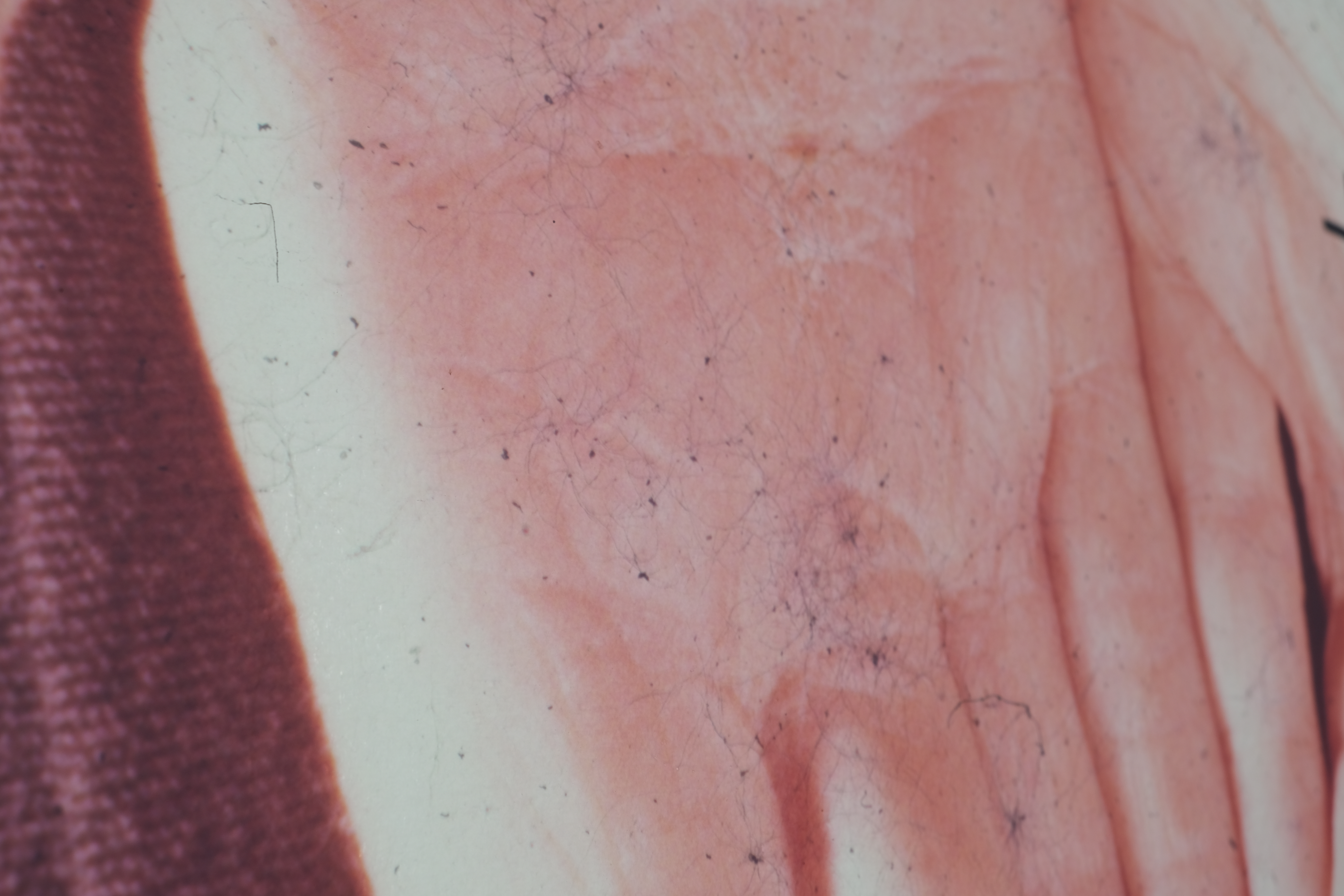
The project started with a collection of thousands of old slide films I bought from a second-hand online platform in 2020. In examining and scanning them, I was in a sense of chaos and strangeness. There are so many kinds of random images, such as landscapes, daily snapshots, and family photos, as well as educational illustrations, exhibition documentation or pictures of disease cases. It’s like falling into many different journeys and even living a displaced life.
Later on, I discovered that they came from a Groningen-based artist, Henry Alles’s collection, as well as part of his artwork documentation. Coincidentally, he presented those slides in a series of works in 1999 at the same location where I was invited to present the project, SIGN Project Space. The material, image and story were interwoven in time and space eerily, which triggered me to reconstruct them. Through 2-months of archive and research, as well as visits and interviews with Henry, I produced a video and mixed media installation at the final stage.
The project thus explored the concept of the ghostly in photography, cinematography and architecture. It consisted of a digital and physical component, whereas the former will focus on the narrative in the process of digitising old slide film that re-evaluates one’s relationship with the past from a media archaeology perspective. Through reconstructing the stories from others, I tried to emphasise the user’s browsing between narrative paragraphs and fragmentary information, and the narrative paths produced in the process. The emphasis of narrative is not only to “tell the story,” but it is also to reveal “how the story is told.”
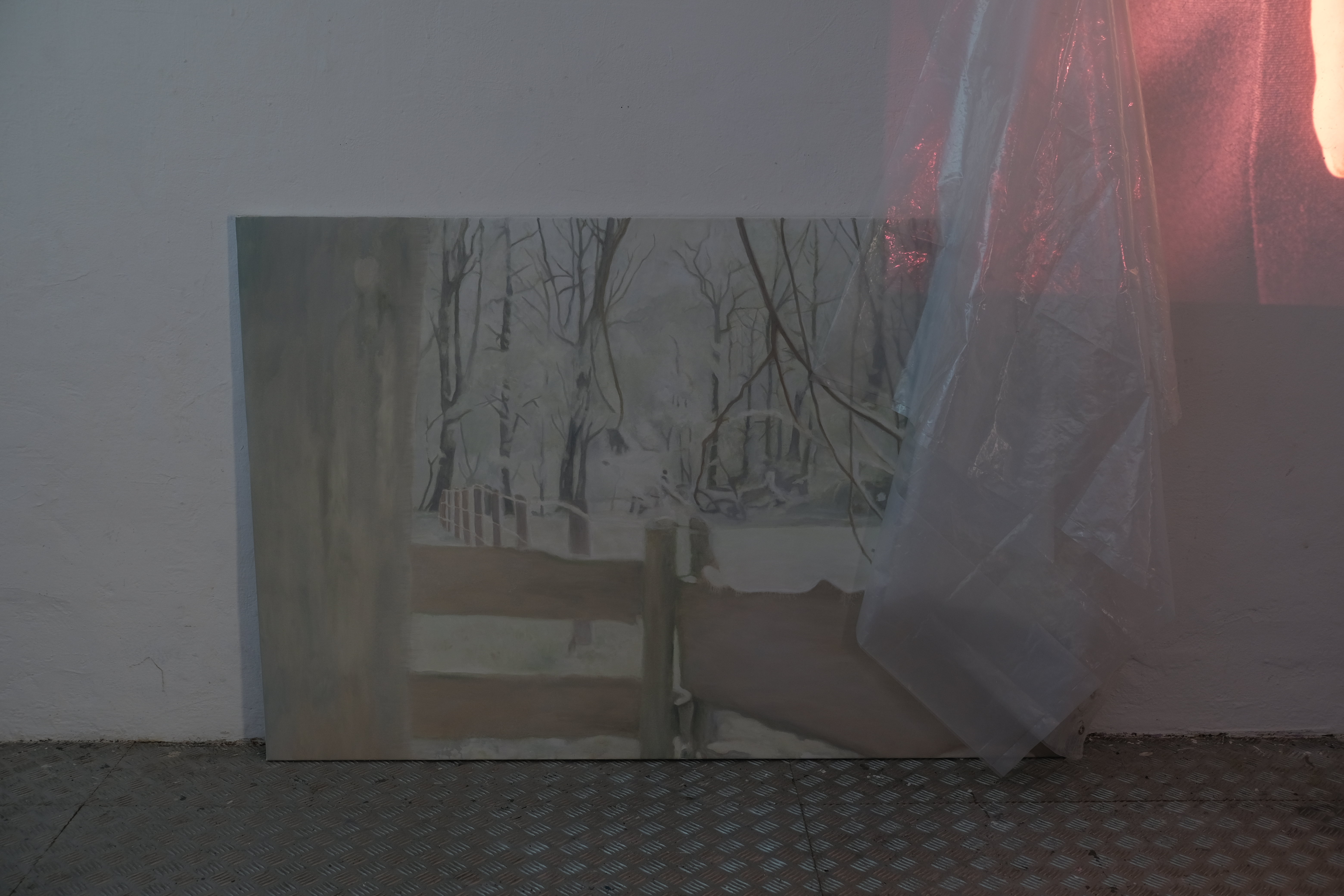
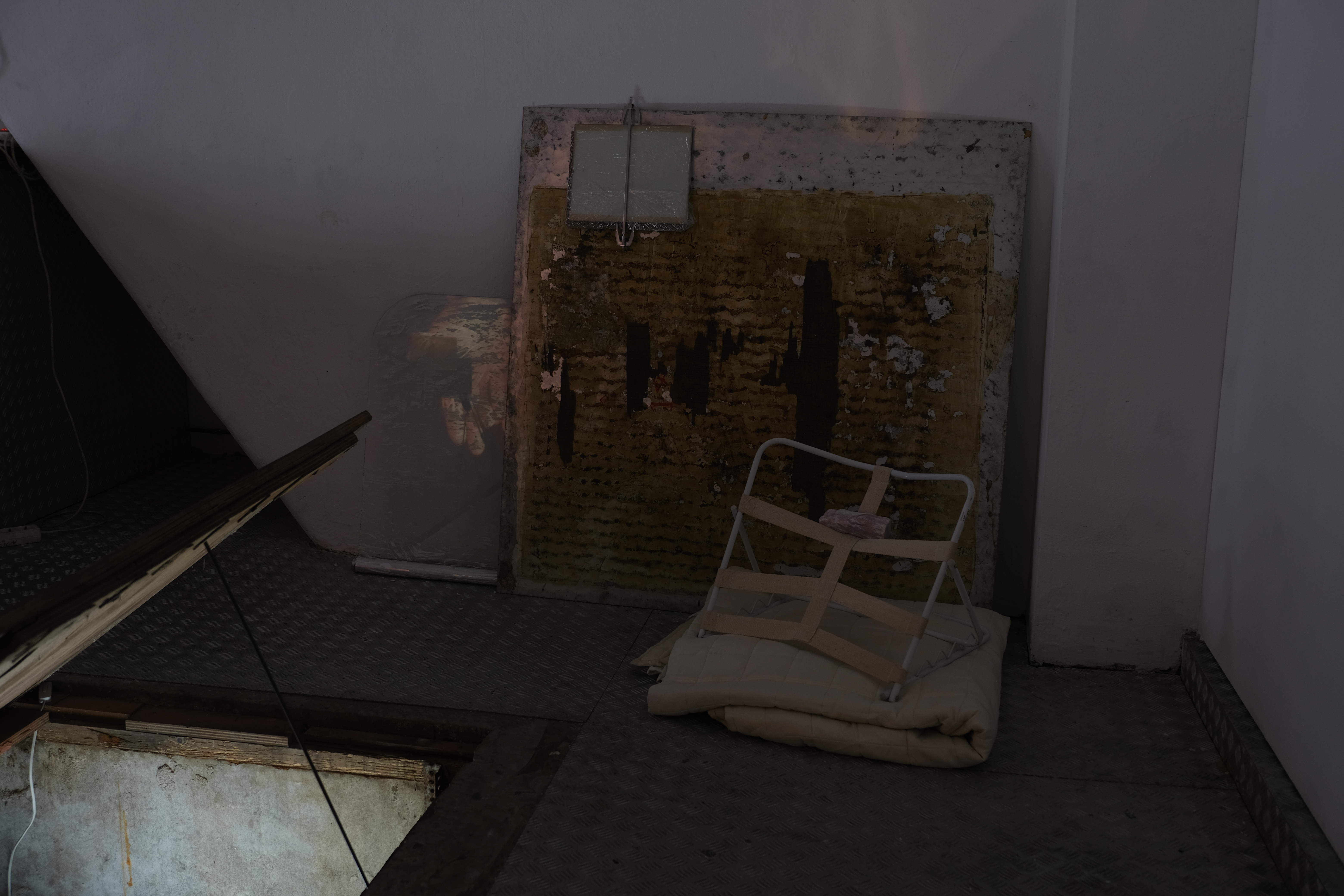
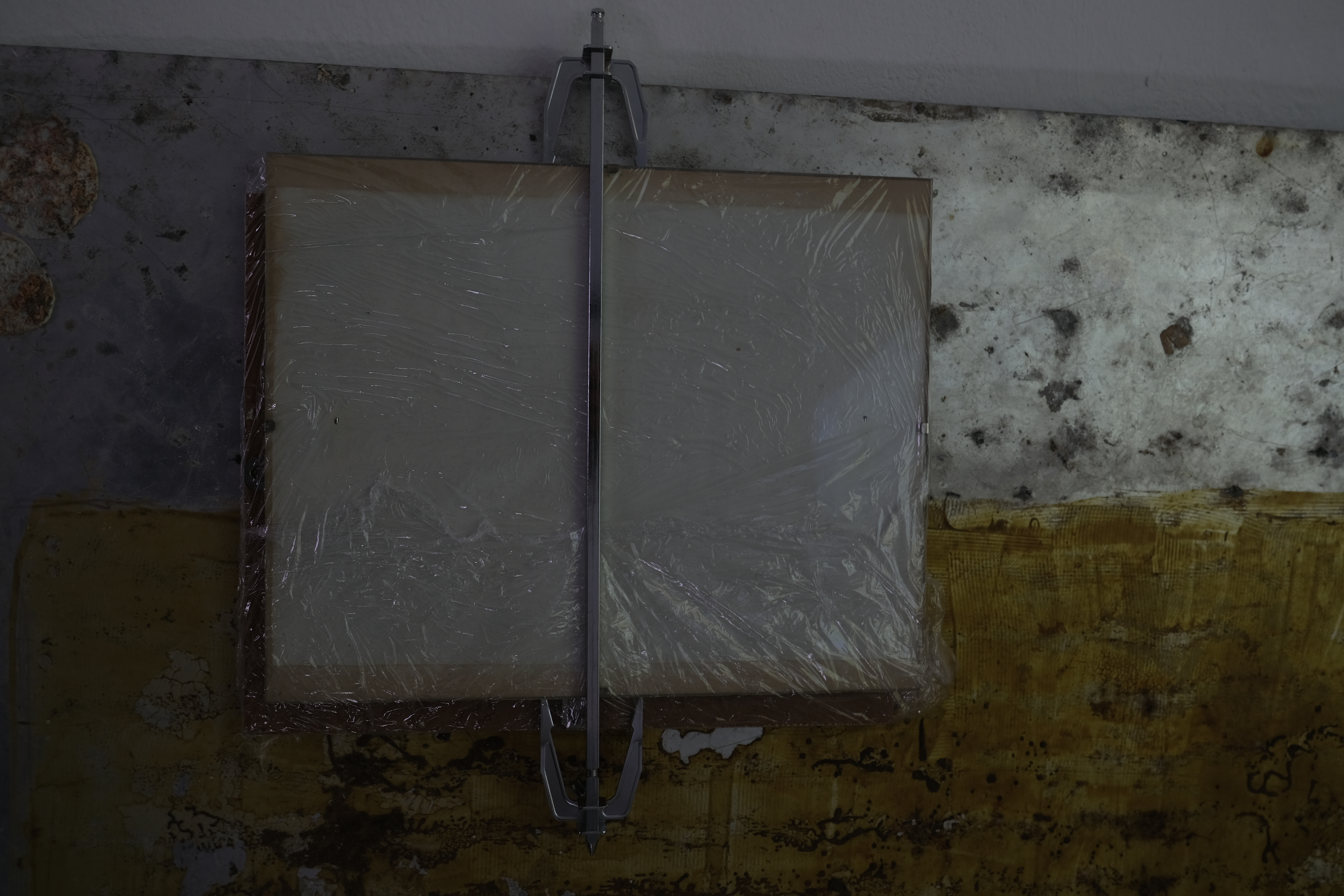
The physical part was a site-specific installation, containing video, photographs, paintings, and sculptures. Video installation theatricalises moving images: writing heterogeneously on Spatio-temporal relations with image and installation, and producing an illusory effect in the process, the viewer’s attention is dispersed between the virtual screen and the physical space. The combination of subtle elements with a sense of nostalgia generates a space that harbours the haunting remains of collective memory.